Our News

Seven Star Lemon Technology Co., Ltd.

Seven Star Lemon Potassium Citrate

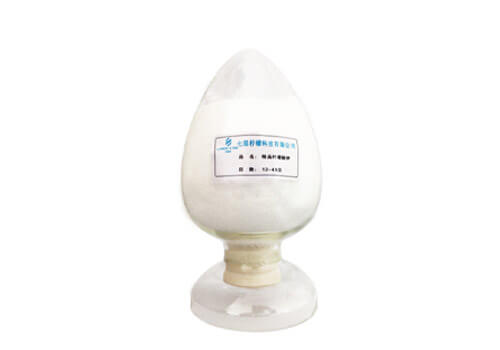
Stories about "Seven Star Lemon Potassium Citrate" always reach our production floor sooner or later. High demand puts regular pressure on our output schedules, driving home the responsibility we carry every day. Many notice the bright label or recall the familiar lemon tang, but it’s what goes into every single shipment that matters most. In all these years, we've seen how a seemingly simple blend of citric acid and potassium can play an outsized role in food, beverage, pharma, and technical fields. Customers rely on the steady quality that only direct manufacturers can ensure, and every time there’s a spike in interest―newsworthy or not―we find ourselves revisiting the core reasons why our role matters in the bigger picture.Potassium citrate production isn’t just mixing chemicals together in a drum. Reliable food and pharma outcomes demand strict controls over purity and trace minerals. At our plant, we test every incoming lot of raw material. It has never been enough to trust a supplier’s label. Trace contaminants like heavy metals don’t just harm reputations; they undermine the health claims that support customer choice. Instead, we keep every processing step transparent, tracking batches from the earliest stage. Years ago, contamination scares in China upended global supply, stranding buyers and shaking trust. Our response shaped the entire system: in-house labs, redundant filtration, and batch-level analytics. Down the line, consumers might only encounter potassium citrate as an ingredient on a label, but we see a long train of checks, data logs, and employee vigilance behind that line. Sloppy practices have no place, especially with product lines like Seven Star, where lemon flavor and clarity matter as much as technical composition.Supply conditions rarely stand still. Climate disruptions can leave lemon harvests short, which pinches one of our key precursors just when orders surge. Pandemic logistics rerouted global container flows, delaying critical shipments and causing a domino effect across our schedules. As manufacturers, we face these variables every manufacturing cycle. No spreadsheet simulation can replace the real stress of seeing key material trapped on the wrong side of a customs barrier. Factories working on automation sometimes forget: you can’t automate away judgment. During a run on potassium citrate, our teams must decide in real time whether to draw down critical warehouse reserves, manage alternative sourcing, or warn long-term buyers of shortfalls. Experience has shaped our responses. We keep active relationships with growers and chemical processors in several regions, knowing redundancy builds cushion against global instability. Some companies push these decisions downstream, but manufacturers can’t hand off supply headaches so easily. When headlines spike demand for “Seven Star Lemon Potassium Citrate,” we’re not just watching sales rise—we’re calculating, reallocating, and ramping cleaning schedules without missing a beat.Questions come in about cost almost daily, often tinged with surprise when the answer isn’t as low as buyers hope. Behind the scenes, there’s a long web of real expenses that never show up on an invoice. Energy spikes ripple through evaporation stages in our drying towers. Each certificate of analysis means real hours logged and reagent spent. Chasing a lemon flavor profile that lasts across multiple production runs takes more work on the blending line. Customers deserve openness about these pressures. The bigger issue: bottom-dollar shopping for potassium citrate without consideration of these realities opens the floodgates for cut-corners, especially overseas. We’ve spent too long fixing downstream messes caused by off-grade imports—cloudy syrups, failed pharma tablets, off-flavors in beverages long past the bottling line. Our oldest clients learned years ago that cutting costs one year often means higher costs in recalls or reputation later. The call for sustainable, transparent pricing has never sounded louder, and it falls on those closest to the vessel to answer honestly.Manufacturing “Seven Star Lemon Potassium Citrate” sits at the intersection of chemistry, logistics, and practical ingenuity. Solving for batch consistency demanded we build in extra rounds of in-process checks. Unexpected variations in raw material mean adjusting reactant quantities by hand, not algorithm. The shift to renewable process energy didn’t happen by outsourcing, but through engineers retraining the maintenance crew and new heat exchangers running overtime to keep output on spec. Staff training often gets overlooked in this mad rush for scale; we see it every month at the line, as our experienced operators teach new hires the difference between the appearance of high quality and the subtler cues of genuine process stability. Markets outside food and pharma―agriculture, electronics, specialty chemicals―often need different tweaks, and those requests run straight through our R&D teams, not a middleman’s catalog. The culture here leans hard into fixing things, not just reporting them, and it’s a fundamental reason we hold a place of trust in every audit, every shipment.No abstract supply chain keeps real potassium citrate coming off the line. It happens because production crews respect each step, because managers read every lab report, and because decades of market swings trained us to adapt, not just react. News stories about a surge in “Seven Star Lemon Potassium Citrate” often stop at the retail shelf, but anyone who’s worked here knows the real story unfolds day after day at the plant. Our commitment can’t be summarized by purity percentages or audit stickers—though those matter. It lives in the continuous push to do right by customers, by our workers, and by the end users who rely on something as simple, and as necessary, as a steady supply of potassium citrate flavoring a drink, buffering a formulation, or preserving key functional claims in products that span the world.

June 15, 2026
Seven Star Lemon Technology Co., Ltd.

Seven Star Lemon Calcium Citrate

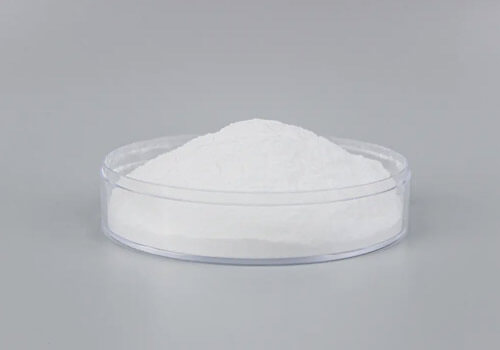
Seven Star Lemon Calcium Citrate keeps popping up in industry news, so it’s time manufacturers weigh in with some clarity. For years, we’ve seen a spike in requests for citrate-based calcium salts that claim a “lemon” origin or flavor—marketing loves a catchy phrase. In reality, producing calcium citrate at the industrial scale doesn’t rely on one lemon grove or trendy flavoring. The process relies on precision chemistry and tight control at every stage. We start with pure citric acid, most commonly refined from fermentation routes, not squeezed from fruit by hand. The interaction of calcium carbonate and citric acid gives us calcium citrate, a pivotal ingredient for calcium supplements, food fortification, and antacid products. The purity and solubility standards customers depend on only come from strict process validation, relentless batch sampling, smart filtration, and decades of know-how. Claims of “lemon” or “natural” origin mean little if the lab results don’t match what’s needed in applications where product failure can ruin a batch, eat into margins, or trigger a health recall. Many suppliers, dazzled by demand, jump in with cut corners, rough particle sizing, or unchecked byproduct residues. These problems show up downstream—clumping, grittiness, questionable analysis results. At plant level, it’s the silent work behind the scenes that keeps the confidence in every delivered shipment.Every day, we talk to R&D leads, QC analysts, and supply chain managers running food plants or nutrition factories under intense scrutiny. Any ingredients that don’t pass strict audit can bring production lines to a halt. Acidulants and calcium source play central roles in food safety, shelf life, and flavor stability. That’s why process transparency is king—we map every step from raw material collection to final packaging, measuring parameters such as pH drift, loss on drying, microbial load, and end-point traces. Our facilities use stainless steel reactors controlled by automated logic systems, minimizing cross-contamination risks. Our workforce receives regular training on critical control points and lab results go straight to our digital ledger, always tied back to the lot. It’s this standard that keeps food manufacturers and nutraceutical formulators confident, not glossy labels touting a backstory. Industry partners want consistent texture, bland odor, and a fine particle grade—no unpredictable agglomerates. Chewable tablets, breakfast cereals, and powders perform only as well as their weakest input. Sometimes, stories reach us of downstream caking or bitter off-notes. Investigations often trace root causes back to overlooked production factors—poor filtration, lack of raw material pre-testing, skipped drying steps. We keep our batch records open to any partner. Real confidence in calcium citrate does not come from vague marketing. It comes from high-precision manufacturing and full disclosure.The big story last year was logistics gridlock. Freight rates jumped, ocean containers dried up, and everything that could go wrong, did. Sodium citrate, calcium salt, and dozens of other food ingredients suffered delays. Our plant had to get creative to prevent disruption. We invested in buffer stocks of citric acid from multiple verified producers, ran extra fermentation batches at our own site, and arranged short-term rail contracts when trucks stopped showing up. Down the line, every delay meant we put in overtime to keep shipments smooth. Strong supplier relationships and deep stockpiles of certified calcium carbonate made sure our reactors never waited on raw materials. We re-trained our packing operators for double-shift rotation, minimizing lag. Those changes aren’t glamorous, but that’s what transforms risky situations into a stable supply. Partners kept their lines running, and the supermarket shelves kept their stock of fortified foods. Supplier resilience only shows itself when raw material chaos strikes.Right now, every customer asks what steps we take toward sustainability. Calcium citrate production leaves a mark—trucks burn fuel, water gets used in reaction and wash cycles, and spent filter cake needs disposal. Our energy engineers did a full plant audit, then redirected several lines to solar panels and heat recovery systems. One reactor now heats up using waste steam from a neighbor’s plant, saving natural gas daily. We implemented closed-loop water recirculation, cutting down fresh water demand. Spent filter cake goes to cement factories, lowering landfill burden. Many changes happen far from the boardroom—they come from feedback by shift supervisors and lab techs who see daily waste. Smart changes didn’t come from a textbook or a consultant’s whiteboard, but from recognizing each process hiccup and fixing it long before regulators step in.Demand for clear product backtracking grows stiffer every year. Governments now want digital access to every lot, B2B customers request instant certificate download, and food safety teams demand scanned, batch-level traceability. We invested heavily in ERP-linked barcoding, using batch scanning at every container fill, blending step, and warehouse bin. Product samples and batch paperwork now embed QR codes, updating automatically to a cloud record. That trickles down to quick recalls if a problem ever emerges—though it hasn’t so far. Customers trust us because any question about origin or process gets clear answers, not runarounds. Digital transparency at plant and office levels means questions get resolved instantly and audits take hours, not weeks.Next, the industry eyes cleaner labels, lower heavy metal limits, and process upgrades for dust reduction. Our laboratory teams already screen every batch for lead, arsenic, and mercury far lower than required targets. Automation in powder handling keeps fugitive emissions in check. A new, fine-milled grade is on the horizon for specialized supplement manufacturers. We run plant trials to ensure new demands match the hard reality of 24/7 manufacturing, not just a spreadsheet ideal. Every change gets tested for ease of blending, no off-tastes, and reliable flow.Seven Star Lemon Calcium Citrate may get headlines, but steady, worry-free calcium citrate comes from deep process commitment and working relationships that run the length of the supply chain. There’s more to the story than flashy branding or promises of natural origins. It’s the work behind cutter lines and QC benches that keeps industry moving and confidence high. When calcium citrate gets delivered on time, performs as expected, and meets every test, it speaks for itself—one transparent, carefully-made batch at a time.

June 15, 2026

Seven Star Lemon Technology Co., Ltd.

Guangzhou Wanbo Holdings Co., Ltd.

Having operated reactors and supervised production lines for years, I’ve developed a habit of looking beyond press releases when new names arise in industry conversations. Guangzhou Wanbo Holdings Co., Ltd. often comes up among trading partners and in logistics circles. On the production side, it’s natural to size up such players: people want to know who’s driving purchasing trends and influencing which chemicals start moving in larger volumes. Local manufacturers don’t have much time for the usual marketplace posturing. We pay attention to those who back up words with action—those whose orders keep batch reactors humming and warehouse crews moving late at night.Supply chain resilience gets built not in conference rooms but in the honest feedback loops between production managers and procurement teams. If Wanbo Holdings is mentioned this often by raw material coordinators, there’s usually a reason. Producers in southern China rarely depend on a single supply stream. Materials destined for coatings, adhesives, and plastic additives must reach the warehouse on schedule, not just with proper paperwork but in good order. A consistent volume of shipments crossing the gate means fewer delays for downstream process steps: no idle blending tanks, no ripple effects down the extrusion lines. As someone used to juggling inventory for colorant batches that run seven days a week, I understand the value of reliable components—resins that arrive dry and uncontaminated, monomers that clear quality control fast.Discussions about pricing don’t stay within boardrooms. Factory supervisors trade notes over the quality of batches. If a supplier brings in a lower-cost feedstock but leads to more off-spec product, reputations drop quickly on the shop floor. On the other hand, steady grades and clear technical communication help avoid scrap and unscheduled downtime. Many in the industry have seen the turmoil caused by cheap but inconsistent imports—a little dust in a drum of polyol, a solvent that doesn’t distill cleanly. Companies like Wanbo Holdings that consistently deliver quality material make a difference at the press, the mixer, and the fill station. What gets appreciated is not just the price on a contract but the absence of unexpected alarms during runs, the confidence that every tote or drum matches the sample sent for scale-up.On any given day, troubleshooting and process adjustments define the pace of production. Plant teams prefer partners who don’t just sell a chemical but offer real-world advice when parameters shift. Sometimes there’s a shift in pH during a formulation, or a compatibility issue with a new stabilizer. Reliable suppliers recognize that laboratory trials rarely match plant-scale variables. Those willing to send technical staff to the site or to engage directly with operators earn respect quickly. When my team swapped out one commonly used dispersant for another, only a handful of suppliers offered formulation tips that saved us costly reruns. If Wanbo has built a reputation for standing behind their shipments with practical support, that cuts through a lot of industry noise.Market dynamics in Greater Bay Area cities like Guangzhou reflect growing domestic demand across construction, automotive, and electronics manufacturing. Yet with that growth comes the challenge of balancing cost, quality, and traceability. Plant managers want to avoid material substitutions that could jeopardize certifications or cause regulatory headaches. Direct lines of communication, from purchase order to dock delivery, reduce misunderstandings. As an established manufacturer, I value not only the chemical properties of a material but also a transparent business practice—updates on availability, honest lead times, references for regulatory compliance. Too many supply mishaps begin with an assumption that someone down the line “must have taken care of it.” Open channels from companies like Wanbo Holdings assure downstream users that paperwork, test reports, and safety data won’t get lost in translation.Looking ahead, environmental responsibility and worker safety are not abstract talking points—they’re practical concerns shaping daily work. Producers in the region know that their customers are increasingly attentive to traceability and lifecycle data for every material. The expanded role of local holdings in providing robust documentation, facilitating audits, and reacting quickly to regulatory shifts makes real differences on production floors. The relationship between manufacturers and their upstream partners is built on more than contracts. Those who make the effort to anticipate needs—whether by keeping raw material forecasts current, advising on emerging hazards, or sharing best practices for green processes—raise the standard for everyone around them. In this business, reputations travel quickly. In a place like Guangzhou, where industrial clusters grow fast and ambitions run high, companies grounded in reliability and mutual respect push the sector forward and create genuine value for all of us on the manufacturing floor.

June 15, 2026

Seven Star Lemon Technology Co., Ltd.

Hehong Trading (Shandong) Co., Ltd.

Speaking as a manufacturer with two decades on the production floor, I want to shed light on what really drives companies like Hehong Trading (Shandong) Co., Ltd. There’s a tendency for people outside our industry to lump manufacturers, traders, and distributors together. Reality unfolds each day in the plant, not in boardrooms or at trade fairs. The bulk of the work happens long before a drum leaves our site. In chemical manufacturing, hard-won experience, technical accuracy, and a respect for the raw realities of sourcing and scale matter more than brand polish. Every process trace—every titration, every filtration, every lot monitored day and night—tells its own story. This discipline isn’t for show: getting purity right isn’t a slogan, it’s avoiding tens of thousands of dollars in customer losses, regulatory headaches, and environmental risk. Decisions here never end with the shipment; the aftermath—how our product behaves in a customer’s line, whether paperwork matches every international protocol, what happens if a complaint comes in six months later—those haunt or reward every facility that dares call itself a manufacturer.For a manufacturer, the cost structure moves with feedstock volatility, energy prices, and maintenance. Unlike a trading house, we don’t walk away from market lows—we face them head-on, keeping a plant running through downturns because shutting it down would mean lost jobs and degraded equipment. Margin isn’t made by speculation but by daily efficiency: minimizing downtime, making batches right the first time, and training the next shift to care as much as the last. Skilled plant workers who’ve stuck with the job for years know every subtle change in odor, texture, or viscosity a batch can offer. If a client, be it in coatings or agriculture, calls us about off-color material or unexpected sediment, it’s the production crew and technical staff, not salespeople, who pull logs, investigate, and propose corrections that last. Solving issues at the source builds relationships and drives innovation, while shipping off subpar lots or overpromising breeds mistrust. That’s a lesson learned through years of real accountability.It’s easy to talk compliance; it's hard to live it. Today, any Chinese producer—Hehong Trading included—operates under tight scrutiny. Updated environmental laws, third-party audits, and risk-based inspection systems force practitioners to keep records in order and practices up to standard. GHS labeling, SDS authoring, local permits, effluent checks, and occupational safety reviews chew up time and budgets. Cost-cutting becomes a technical puzzle rather than simply finding the cheapest supplier. Instead of shortcuts, we invest in filtration systems, secondary containment, and routine leak checks. A missed inspection or overlooked record can freeze a permit or trigger a fine. None of these responsibilities fade after a sale; every lot that ships carries not just our name but also the trail of documentation and process integrity built into it. Real manufacturers take these burdens seriously, because once a problem surfaces—be it a shipping error, batch contamination, or an outdated REACH registration—it’s our teams who stand in front of agencies, partners, and sometimes even courts.Trust emerges batch by batch, not from a glossy sales presentation. Every drum, tote, or bag leaving a site carries a time stamp, operator fingerprints, and a record of raw sources. A traceable lot links back to the origins of each raw material—so if something deviates, we can find the point of deviation without delay. No one in this business lasts on empty promises. We’ve seen customers come back after competitors offer a rapid fix or a cheaper price, only to find inconsistency when the drums hit their warehouse floor. Transparent traceability means our certificates of analysis stand up to scrutiny. We keep samples and records far beyond the legal minimum because the real world doesn’t run on “just enough.” The handful of mistakes we own up to define us more than the thousands of perfect loads; how we handle those cases sets us apart from any intermediary that only passed through the paperwork.For us, product development grows from real, often repetitive, feedback. A client may struggle with a particular solubility issue or a residue they can’t shake in their end process. We don’t have the luxury of passing the buck on technical questions—change happens at our mixing tanks and control panels. Years ago, demand spiked for higher-purity grades after smaller technical tweaks in downstream industries, so instead of paying lip service, we refitted several reactors and modified filtration lines. No slick presentation could have predicted that; it came from listening, testing, and adapting based on known needs. Our in-house labs pound through iterative batch trials to meet these evolving requirements. Every successful adaptation becomes hardwired into our standard operating procedures, documented and rolled out—not in a whitepaper, but on the factory floor for all shifts to follow.Every manufacturer worth the name rides out raw material disruptions, unpredictable transport schedules, labor shortages, and shifts in customer demand. During supply crunches, we pivot sourcing strategies without exposing our partners to risk. If a shipment of technical grade input gets delayed at port or a supplier’s plant shuts for maintenance, our experience and buffer policies allow for flexible re-formulation and timely communication. No contract can anticipate every port closure or logistics delay, but only firsthand experience can teach when to stockpile, which suppliers can rush an order, or what alternative route will keep tankers flowing. In our circles, supply chain resilience isn’t just a buzzword—a single day’s delay can mean a customer misses a production window, costing them money and future trust. Reliable output doesn’t come from juggling spreadsheets; it’s pulled from years of persistent process refinement and real relationships up and down the supply chain.Running a facility brings daily reminders of the need for responsibility. The air, water, and community near our site set the long-term context for operations. People living near chemical plants watch closely, and rightly so. Investors and brand managers may walk away from a troubled site, but no manufacturer outruns reputation in the areas where their plants operate. We target efficiency not just for cost, but for impact—waste streams now receive onsite pre-treatment, older process water systems get replaced, and effluent quality is checked beyond compliance. Some of our core environmental milestones didn’t emerge overnight, but through years of hands-on investment and careful upgrades. Customers from high-regulation markets won’t take anyone’s word—third-party audits, customer visits, and transparent reporting define participation in export business. Any company treating environmental care as a checkbox soon faces consequences; for real manufacturers, it becomes a badge earned every day.Making chemicals for tough end uses, every specification has a reason rooted in the process. Every requirement for acidity, clarity, or contaminant threshold reflects hours of bench work and customer feedback. We calibrate in-plant and cross-check with external labs, not for paperwork, but to know our material will hold up in the field—on automotive paint lines, in agricultural mixes, or running through a client’s reactors. Customers can always tell the difference between finished goods produced with diligent attention and those rushed to fill a spreadsheet gap. Standardization hasn’t replaced craftsmanship; each tweak in pressure or temperature leaves a mark, upright or otherwise, on the final lot. We don’t chase certifications to look good—they open or close doors to business in continually tightening global markets.Building trust over the long haul pays off more than padding an order book for the quarter. We have multi-year partnerships founded in consistent performance—not just meeting but anticipating partner needs and keeping communication open when difficulties surface. Reputations spread; so does word of which suppliers quietly cover their tracks and which stand by their word. Some of our longest-standing relationships grew from correcting tough, costly mistakes and showing up at customer sites in person. That level of accountability defines our legacy, and it can't be outsourced to a trader or copy-paste supplier network. In chemical manufacturing, people remember how problems were handled more than they remember smooth orders.No one in this sector lasts long on leverage and promises. The work involves constant adaptation—new regulations, changing customer demands, and relentless pressure to reduce impact while staying commercially viable. Manufacturers like Hehong Trading show the industry’s roots: facing the daily grind, tangling with complexity every shift, and accepting the responsibility for everything bearing the company’s name. Experience, earned with each lot and through every audit hurdle, shapes the only real foundation for lasting chemical supply.

June 15, 2026

Seven Star Lemon Technology Co., Ltd.

Shandong Seven Star Lemon International Trade Co., Ltd.

Running a chemical manufacturing plant requires keeping both feet on the ground. As people who live and breathe synthesis, supply chains, and troubleshooting, everything comes down to what actually works on the production floor and what gets the best product to our customers on time. Every so often, a company like Shandong Seven Star Lemon International Trade Co., Ltd. pops up in the news cycle, attracting curiosity from all corners of the business. Some in the industry see the name and wonder if they are another link in the chain, or something more substantive. Coming from someone who has spent years controlling reaction temperatures, chasing consistent purity, watching raw material prices lurch up and down, and making sure the next batch always meets spec — a new company’s claim means little without a track record.What most outsiders don’t see are the layers of complexity between producing a proven chemical and getting it into the global marketplace. A manufacturer who actually knows how to control quality can run into enough hurdles even before the first shipment clears customs: shifting regulations, environmental audits, customer requests for never-ending documentation, and the quiet but omnipresent pressure to drop costs without compromising integrity. New entrants with unfamiliar names make people cautious, no matter their potential. In my experience, the ones that earn respect come up with steady supply, real certifications, and technical backing, not just bold trade promises.Anyone in production remembers the headache of inconsistent sourcing. I’ve stood next to reactors that stalled out because someone upstream decided to swap out their solvent grade or switch partners. That’s why direct manufacturers pay attention to who’s actually making their intermediates, not just shipping them. If an operation is only acting as a broker, it’s usually obvious within the first months of cooperation: you start seeing unexplained delays, unexpected changes in paperwork, or, worst of all, mysterious deviations in product assay. Reliable manufacturers visit partner facilities, send their own QA teams, and keep lines of communication open. They show up, over and over, even when the news cycle moves on.Certifications like ISO or REACH compliance can look impressive on a website, but real value comes from the internal controls that keep each batch within tight limits. When new suppliers surface, proven manufacturers put their samples under the microscope — literally. They pull out the retention times, the GC-MS spectra, the visual clarity, and the packaging inspection reports. With so many counterfeits and diluted offerings flooding some corners of the market, only results count. Companies such as Shandong Seven Star Lemon put themselves in the spotlight by promoting their international reach, but those familiar with large-scale chemical operations know the difference lies in the evidence: tags on the drums that match the signed COAs, transparent batch histories, and the willingness to handle the odd custom request thrown at them by a downstream plant manager with special requirements.Compliance in the modern chemical world isn’t just a suggestion — it’s the ticket to staying in business. Local environmental crackdowns have shut more poorly-managed plants than most newcomers imagine. A credible manufacturer has to prove safe waste handling, documented employee training sessions, proof of emissions capture, and the correct insurance for every process on site. Customers demand it because a single recall or contamination panic can shake an entire supply chain. Factories in China, Shandong included, face these audits with increasing frequency: unannounced checks, in-person interviews, and traceability from raw materials to finished exports. Any new player making headlines will get the same scrutiny from buyers in Europe, North America, and increasingly from strict Asian customers as well.Margins in chemical manufacturing rarely tolerate waste. Over the past decade, my team and I have struggled with everything from runaway input costs to international logistics jams caused by political disputes. Some competitors try to offload costs by shortcutting lab testing or under-declaring ingredients. This ends up hurting everyone; trust erodes and contracts vanish at the whiff of risk. The only answer has been to build partnerships based on technical transparency. When evaluating firms like Shandong Seven Star Lemon International Trade Co., Ltd., experienced manufacturers look for public reports, verifiable export records, and clear technical documentation. If a plant boasts bright new equipment but hides its maintenance logs or accident history, word spreads quickly through the professional networks.Real advances in chemical manufacturing come from sharing best practices. In recent years, industry leaders have started collectively addressing issues like solvent recovery, closed-loop water use, and adoption of digital batch tracking. These changes come from hard-won experience. The chatter about digitalizing supply chains, for example, followed years of lost containers and costly invoice misunderstandings. Forward-thinking manufacturing teams know that true value lies in predictability and the ability to adapt. If newcomers want to join global supply routes, replicating these operational standards — not just marketing outreach — sets the foundation for long-term trust.Manufacturers can point to a long list of hard lessons learned by working through power shortages, tighter emissions limits, record-high shipping rates, and the arrival of new customers with ever-changing compliance demands. The reputation of a brand like Shandong Seven Star Lemon International Trade Co., Ltd. will always come down to responses when unexpected problems hit. Will a new supplier go silent during a customs delay, or will they step up and pay extra to reroute urgent goods? Can they send a technical specialist to help a downstream factory adjust a process? Will their technical sales team pick up on real QC trends, or will they deflect when yields dip and blame the end user? Manufacturers have long memories. The ones willing to admit mistakes and fix them become true partners in the supply chain.In the end, companies making headlines must live up to the day-to-day demand for consistent, safe, reliable chemical supply. Manufacturers who make what they claim, back it with technical rigor, and build reputations one shipment at a time set the standard for everyone. Competition keeps industry honest, but substantive improvements — in safety, transparency, and sustainability — don’t come from marketing. They come from experienced manufacturers learning from each challenge, passing on knowledge, and raising the bar. Names may come and go, but those who prove themselves in the field earn a place at every buyer’s table. Those who understand the weight of each drum, the significance of each spec sheet, and the trust behind every handshake shape the real direction of the chemical industry.

June 15, 2026

Seven Star Lemon Technology Co., Ltd.

seven star lemon technology co. ltd address

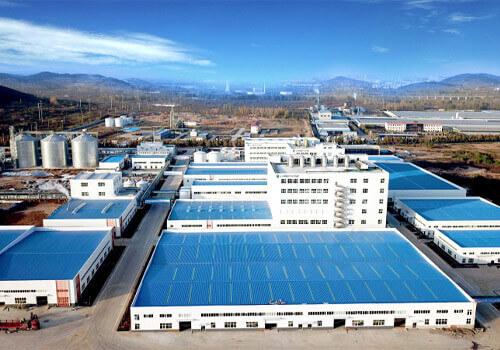
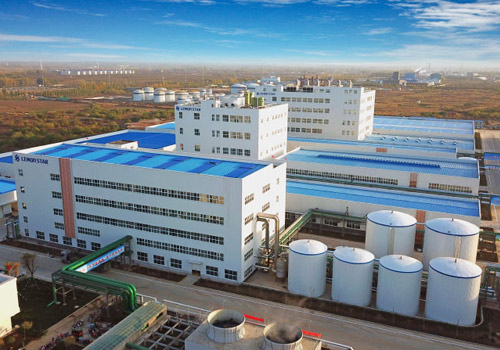
In this business, direct relationships make or break trust. When customers ask about Seven Star Lemon Technology’s address, it goes beyond simple curiosity. The chemical market suffers from layers of confusion created by resellers and traders, so knowing a manufacturer’s real location separates truth from bluster. Seven Star Lemon Technology turns up in conversations about innovative citrus-based ingredients. Solid answers matter to folks who need regulatory compliance, want to visit a facility, or face customs paperwork. Manufacturers like us have learned value in putting our real address forward, printed clearly on every document and shipping label that leaves our facility. When a client runs into roadblocks—like mismatched paperwork or products arriving from unexpected locations—it rarely builds confidence. Chemical buyers are hungry for proof that their supplier has roots in the spot they claim. As a producer, giving out the genuine address also signals that you stand behind your product. The plant’s physical presence outlasts web shops and trading desks, offering tangible proof that chemicals aren’t coming from untraceable warehouses. For years, we’ve received requests to confirm our company’s legal and operating address for supply audits, insurance queries, tax filings, and routine customer due diligence. Every legitimate manufacturer has stories of counterfeits floating through the system, passing through warehouses with no manufacturing activity. In one instance, a downstream customer called us after receiving a shipment from a completely different port than expected—the invoice had our name, but the traceable supply chain ended at a nondescript warehouse. Uncovering the real manufacturer address prevented regulatory problems for that client’s exports to Europe, where traceability audits happen often.Factories anchored in a specific location have to deal with safety rules and environmental conditions that floating, invisible suppliers never face. Seven Star Lemon Technology, like others in our field, has invested heavily in permits, environmental monitoring equipment, and neighborhood outreach in our home city. The authorities know exactly where we are; we’ve had surprise inspections about air emissions and water use. If the address is real and visible, the company has skin in the game. The local government, neighbors, and employees all know where chemicals are being made, and quality claims can be tested onsite. Transparency like this raises the bar for the whole sector. We’ve seen how a real address attracts long-term partnerships, as companies see we’re grounded and not hiding behind a mail drop.International buyers increasingly insist on documentation that can be cross-checked against public databases and Google Maps. We’ve had new clients ask for panoramic photos of our gate, landmarks nearby, and licensing documents proving we operate a certified chemical production site. None of these requests bother us. Modern anti-fraud measures rest heavily on comparing shipping paperwork and digital records with government-approved locations. That’s how buyers in food, pharmaceuticals, and high-tech industries sidestep fakes. If our address didn’t match up across all documentation, the buying process would screech to a halt—no regulatory auditor or insurance underwriter would accept that risk. After weathering years of supply chain shocks—pandemics, port closures, regulatory changes—one lesson stands out: clarity about where materials really come from saves deals and protects reputations. During logistics chaos, customers got suspicious about substitutions and shortcuts. We noticed that clearly showing our address and plant photos sped up customs clearance and reassured buyers about continuity. Our own procurement team flags every vendor without a verifiable address—if we wouldn’t buy from a mystery source, how could we expect our own partners to do so?Seven Star Lemon Technology’s address isn’t just information for a label. It’s proof of production capacity, environmental investments, employee training, and a long-standing relationship with local communities. For regulatory filings, the warehouse and plant tours, or the spontaneous client visit, the real address matters more than a slick website or polished emails. We’ve found that being upfront about location does more to reinforce our reputation and secure future business than any promotional pitch.As the global chemical business keeps growing—and regulatory watchdogs dig deeper—addresses transform from afterthoughts into deal-breakers. Serious buyers now demand digital records for every step of the supply chain, including verifiable street addresses and photographs. Digital mapping tools make it easy to weed out non-existent factories. Over the years, real manufacturers have seen that hiding behind agents or vague importing companies often brings price wars, warranty headaches, and slow growth. Real, traceable addresses eliminate those headaches and drive lasting partnerships, because clients get confident they’re really connecting with a qualified producer, not someone hiding in the shadows.From our vantage point on the production floor, putting the company address front and center does more than follow rules. It gives our team pride in their work, since every product carries a story rooted in a specific place. We’ve seen that employees feel more invested when they can point to a building and say, “That’s where we made this.” For neighbors and local authorities, it’s reassurance that our activity is approved and inspected. True progress in this industry depends on blunt honesty about who makes chemicals, where, and under what standards. Insisting on real, checkable manufacturer addresses makes for a safer, more dependable chemical market altogether.

June 15, 2026