Our News

Seven Star Lemon Technology Co., Ltd.

Seven Star Lemon Technology Co., Ltd.

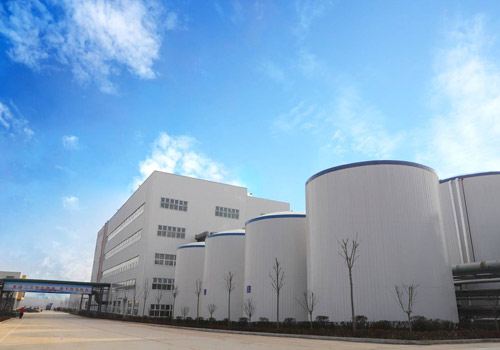
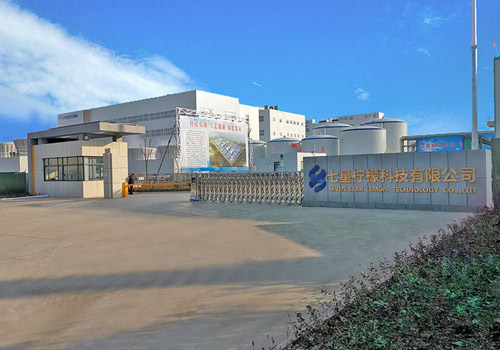
Seven Star Lemon Technology Co., Ltd. stands out in the chemical industry for its focus on lemon-derived ingredients. From the perspective of someone who has watched the industrial sector grow from the inside, this kind of specialization reflects a deep understanding of both market demand and the complexities involved in large-scale production. It's a challenge to isolate value from citrus raw materials on a commercial scale. Achieving both cost efficiency and reliable quality calls for a blend of skilled workers, careful management of process controls, and deep knowledge of extraction and purification technologies. At the manufacturing site, decisions are rarely theoretical. Instead, every new batch brings questions about raw material sourcing, shifts in customer expectations, and emerging regulatory frameworks—factors that can directly affect the outcome in quality and supply.When products depend on agricultural crops like lemons, any fluctuation in weather, farming practices, or transportation can cause disruption. My experience shows that it is not enough to install the most recent technology; the real work starts with managing relationships with farmers and logistics partners. Reliable chemical output relies on careful attention to harvest times, post-harvest handling, and the nuances of fruit storage. Ensuring traceability across this chain requires a lot more than digital ledger entries. It needs boots on the ground, on-site audits, and an open line with sourcing managers. I have seen factories forced to shut down lines for hours—sometimes days—when raw material arrival does not match expectations due to unforeseen climate events or shipping hold-ups. Any manufacturer who has struggled with that kind of unpredictable environment learns the value of strong partnerships and flexible scheduling.Every step in the production process offers a chance to lose or enhance product value. At our facility, years of hands-on work have taught us that even slight deviations in temperature, humidity, or pH can alter output in ways that no finished-product inspection will catch later. Laboratory teams test not just for compliance but for fine details like taste, aroma, and stability—which can be extremely sensitive in lemon-derived products. Suppliers make promises, but the only certainty comes from in-house verification. We constantly calibrate equipment and invest in skilled chemists to verify product purity and composition. When word comes back from a customer about an off-flavor or a cloudiness complaint, the root cause investigation routinely tracks back not to a fault in the recipe, but to an unnoticed change upstream. These tests may slow down output, but customers expect consistency and are quick to switch suppliers if they think quality is slipping—even by a fraction.Competing globally in citrus processing means going beyond price. International buyers scrutinize sustainability. A chemical factory can’t just maximize throughput, but must also control energy use, manage water recycling, and treat effluent carefully. Owners who ignore this risk sanctions and reputational damage in a world where environmental reporting laws grow stricter each year. I have watched smaller firms forced off the market because they failed to modernize equipment or train staff, leaving outdated processes vulnerable to both legal claims and market rejection. Seven Star Lemon Technology Co., Ltd. faces the same pressure: without documented steps toward greener production and transparent waste management, long-term growth will be hard to sustain. Manufacturers must also educate buyers about the technical details that set their product apart, or risk having value underappreciated in a marketplace crowded with low-cost imitators lacking the same investment in quality.Bringing a lemon-based specialty chemical to global markets calls for ongoing R&D. As a manufacturer, you find that innovation runs on two tracks: new product discovery and refining standard processes for better yields and fewer impurities. Equipment upgrades threaten short-term profits, but experience proves that skipping regular investment in reactors, separators, and analytical tools leads to much bigger costs from waste and unpredictable deliveries. Operators familiar with real-world reactors see first-hand how factory settings rarely match lab results, so scaling up new processes tests both the creativity of engineers and the discipline of plant technicians. True process reliability grows from years of pilot trials, failed experiments, and incremental change rather than sudden leaps. In every successful rollout, there's always a hidden backlog of lab work and operator experience that keeps output within the required range. Nobody sees the hours spent tuning parameters, fixing in-line sensors, and reviewing historical batches for patterns that could improve efficiency the next time.Suppliers who ignore customer service soon lose business—this fact repeats itself everywhere. Buyers who take lemon ingredients for food, beverage, cosmetic, or pharmaceutical use demand not only a dependable chemical, but also fast answers on allergen risk, documentation, and transport timing. Rarely does a complaint stop at the sales team; it prompts a factory-floor review, as the best way to keep customers is to connect end-use feedback to upstream process improvement. Working on batch manufacturing, I have noticed that the most frequent customer requests center around more transparency, faster certificate delivery, and assurance that every shipment matches both the technical spec sheets and market claims. The only way to provide this is through record-keeping systems that connect laboratory reports right back to source batches, with responsible staff accountable for every document sent out.Manufacturing companies that deal with natural-source chemicals face rising input costs, fluctuating global demand, and tighter environmental and safety rules. The solutions all start on the factory floor. Better supplier relationships ease raw material volatility. Automated process monitoring, once a luxury, now stands as the backbone for consistent output. Training programs empower workers to spot and fix deviations before they cause batch failures or recalls. Data sharing across departments improves coordination between supply chain, production, and sales, so customer promises rest on real, current information. Lean management, energy-saving upgrades, and tighter emissions controls help factories stay compliant and competitive in crowded markets. We have learned from experience that meaningful improvements come from teams that actually work with these challenges daily—they know where waste arises, recognize inefficient steps, and understand customer pain points in ways nobody outside the facility could match. Customers judge us by our output, but only internal commitment and long-term investment raise both quality and efficiency enough to build trust in a brand like Seven Star Lemon Technology Co., Ltd.

June 15, 2026

Seven Star Lemon Technology Co., Ltd.

seven star company

Seven Star Company’s rise as a major force catches the attention not just of end-users, but also of those of us with boots on the production floor. As an established chemical manufacturer, we watch the market’s focus shift, often chasing the new or the novel, and we measure those trends against the day-to-day realities of scaling up a process, holding quality through the third shift, and adapting to customer audits on short notice. Competition runs deep, but trust takes time. Seven Star built its reputation through consistency and a willingness to tackle tough applications, a path that resonates with our own history—no shortcuts, just a firm hand on raw material sourcing, reaction yields, and on-site troubleshooting. Anyone who spends long hours overseeing pilot batches and battling unplanned downtime knows how crucial it is to back every shipment with solid technical support, not just promises. Respect never comes overnight; it comes from watching clients order again next quarter because the product delivered the performance they needed, every drum.Working across supply chains, we see the gap widen between those who just move product and those who take ownership for what leaves the tank farm. One issue stands out: traceability. Seven Star earns points for robust tracking throughout production, a feature many buyers overlook until a specification challenge threatens an entire batch. We make a point to keep records not only for compliance, but to answer phone calls at midnight from a customer halfway across the globe. This sort of accountability builds loyalty amongst technical teams out in the field. From an operations manager’s viewpoint, a quick response time and clear documentation matter as much as any innovation talk splashed across the latest press release.Customer priorities shift rapidly as new certifications and regulations appear. Many look at Seven Star’s recent growth as a marketing success, yet those of us behind the reactors know marketing does not fill purchase orders if the specification sheet only works on paper. We have faced the same pressures—a compliance trend hits social media, and suddenly buyers call, asking for something “eco-friendly, non-toxic, solvent-free” within the month. Fulfilling those orders requires more than re-stamping an old MSDS. We find that technical knowledge, tested stability data, and full transparency about limitations always trump exaggerated claims. Conversations with clients build over years of sharing pilot results and process tweaks, not just press releases. As the market grows savvier, those suppliers carving out real value—Seven Star among them—focus less on slogans and more on transparent process control, well-run labs, and hands-on application support.Much has been written about advanced formulations or smart packaging, but as a direct manufacturer, we see the unseen costs: time spent calibrating sensors, waste minimization, on-site hazard reviews, and the slow march to scaling up a new chemistry. Seven Star stands out in discussions for putting resources toward R&D, not just for headlines but to answer persistent requests for formulation stability, energy reduction, or alternative feedstocks. That sort of innovation requires risk—the kind our engineers face daily when troubleshooting a reactor fouled by a new substrate. Success doesn’t come only from hitting a target specification one time; it comes from building in enough flexibility and resilience so that a plant can adapt to new inputs or regulations without shutting down for weeks. Our customers notice which suppliers protect the process along with the product and who spends the money to improve plant safety or product consistency over marginal cost savings.No process improves without investment in the people making it happen. Skilled operators, patient QA techs, and persistent logistics teams drive any real progress in service or innovation. Seven Star’s commitment to workforce training aligns with how we see progress in our own operations: staff must know their equipment and feel supported in raising alarms without fear of blame. Process improvements often start as suggestions from veteran line operators, not just from management. Strong suppliers recognize that a resilient production team buffers the shocks from a supply shortfall or a regulatory change. Many problems that look like “process issues” stem from under-resourced shifts, so we work directly with our people, sharing what works and listening closely when something goes wrong on the floor. Our teams are proud when they see practices developed here becoming industry standards elsewhere, including at competitors who value the same operational discipline.From where we stand, the future boils down to reliability, safety, and honest customer partnerships. Seven Star Company’s story reflects many of the hard choices others in the industry have faced—balancing expansion with investment in quality control, choosing long-term business over quick wins, and keeping lines of communication open even under cost pressure. Our own experience tells us customers remember technical help in a crisis or a prompt fix to a faulty batch long after a pricing war ends. We see opportunities in sustainable chemistry, tighter supply chains, and better staff training, not as seasonal trends but as core parts of running a competitive operation. The industry moves forward on the shoulders of manufacturers willing to invest in people and equipment over just clever branding. This approach secures partnerships, improves plant safety, and brings real solutions to the toughest challenges we face together.

June 15, 2026

Seven Star Lemon Technology Co., Ltd.

Seven Star Lemon Citric Acid Monohydrate

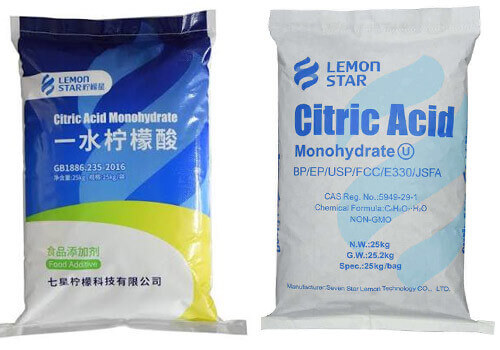
Citric acid monohydrate crops up all over our factory floor. The Seven Star Lemon brand brings memories of countless hours spent fine-tuning filtration systems, calibrating spray-drying towers, and scanning control panels for optimal reaction temperatures. The batch process has its quirks. Sometimes a temperature fluctuation prompts quick teamwork to keep the final product free of off-spec color or trace impurities. When we talk about Seven Star Lemon Citric Acid, we’re not just moving pallets or ticking off inventory; we’re shaping a raw material that goes from our tanks to food plants, beverage bottlers, pharmaceutical compounding rooms, and even the labs of small artisan cheesemakers. Every lot passes through layers of filtration, crystallization, and washing, overseen by a quality team whose vigilance prevents surprises for customers down the line. Clean handling in our plant minimizes dust, which matters for avoiding contamination and ensuring the bags close with crisp, untorn seams. A shipment leaving our warehouse supports more than a supply chain; it supports people’s health and livelihoods.Serving in this industry taught us that trust does not arrive in a sample packet. It grows in the details of each shipment. Producers who switch suppliers after a bad run often share stories about unpredictable appearance or odd-tasting batches. Our job in manufacturing pushes us to maintain a consistent white color, balanced pH, and low trace metal content for every lot, even as raw lemon feedstock changes with the season. We push hard in the lab to keep microbial counts undetectable. Sometimes that involves investing in automated cleaning lines or changing a crystal drying schedule to assure dryness that meets top-tier shelf-life standards. Since Seven Star Lemon citric acid often heads into baby food formulas, sports drinks, and OTC medications, we enforce zero-compromise on cross-contamination, allergen tracking, and chemical migration, because in these sectors, a minor lapse can lead to recalls or health scares. Achieving such reliability demands more than paperwork—it calls for a team that knows what machines should sound like, which batch numbers performed the best, and how to spot a strange odor before an issue snowballs. Trust gets built every time a negative QC test matches what customers expect and every time our technical support team helps a food brand adjust to minor sourcing changes without any hiccup in their process.Supply doesn’t always behave. Surge demand during pandemic waves, shipping bottlenecks at major Asian ports, and sudden crop shortages in citrus-growing regions shape our daily operations more than any textbook. Scaling up production capacity to keep up with increased orders usually means overtime, tweaking process water rates, and running extra maintenance shifts to prevent unscheduled downtime. Sometimes, the procurement team hustles for alternative packaging or new drum suppliers at short notice. If citrus prices spike, we feel the squeeze along with the rest of the value chain. Price increases become a touchy subject, as food manufacturers and formulators hit thin profit margins. The duty as a citric acid producer runs deeper than managing margins. It means planning for both peaks and lulls, finding ways to make solid output even as feedstock runs low, and refusing to cut corners on quality control. Every new process we install, from anti-caking agents in storage silos to traceability software, aims to strengthen both our resilience and customer trust—since a weak link in our line shows up all the way at the dinner table or the pharmacy shelf.Change remains a constant in this sector. Environmental rules tighten year after year. We invest in water-recycling systems that lower both costs and emissions, retrofit older reactors with digital sensors for fine-tuned control, and add air filtration stages that trim our VOCs and keep our community healthy. Staff training keeps up with these shifts—our plant operators run mock drills for spill prevention, allergen risk, and emergency shutdowns. Raw supply gets scrutinized for both quality and sustainable sourcing credentials, especially as more downstream users demand clean-label inputs and non-GMO traceability. Customers now expect rapid responsiveness on documentation, halal and kosher certificates, and third-party audits. Meeting those needs requires more than compliance; it means fostering a safety and quality culture that prizes being proactive rather than reactive. As manufacturing leaders, we focus on details that matter to both institutional buyers and the end consumer, from the stability of high-acid beverages to the clarity of flavor in plant-based cheese. The constant push to deliver higher purity citric acid with lower input waste sharpens our competitiveness, but it also reminds us of the social role played by core industrial chemistry. We are not just shaping an ingredient but helping define safety, taste, shelf-life, and the future of sustainable processing.

June 15, 2026

Seven Star Lemon Technology Co., Ltd.

Seven Star Lemon

Most people see “Seven Star Lemon” and picture fruit in a market. Around here, mention that name and eyes shift toward the production lines. The real work behind anything “lemon-flavored” starts not on a farm but with a blend tank, quality control staff, and constant fine-tuning of process parameters. As a chemical manufacturer, we listen to news about food trends and regulatory shifts with both anticipation and concern. If demand for tangy, fresh, aromatic compounds rises, that means pressure to produce high-purity lemon flavors at scale. Yet most of the public doesn’t realize how rare actual cold-pressed lemon oil is or how hard it gets to match taste consistency when varieties and crop yields shift season to season. Extraction poses environmental and technical challenges: oil content varies by origin, pesticide residues fluctuate, and regulations never sit still. The skills to interpret GC-MS results and adjust reaction pathways have become just as—if not more—important as market forecasting.People talk about traceability and food safety like they happen at the last step. Beyond raw lemons and flavorings, problems begin upstream—with how the oil or flavor component is isolated, whether solvents are used responsibly, and how residues are managed. Our labs spend long hours running impurity screens. Once, years ago, the idea of a “Major Lemon Scandal” seemed far-fetched. Today, risk management tools, compliance certifications, and batch recalls make it clear: a reputation built over decades topples quickly if a contaminant slips through. Industry watchers remember the melamine cases. We learned that trust comes from transparency—good batch records, honest QC notes, not just marketing. Citrus flavor intensity matters, but so does reliable absence of banned substances and solvents. As new variants like “Seven Star Lemon” hit the shelves, curiosity rises about their genetic background, unique phytonutrients, and potential unexpected residues. The role of the chemist is now equal parts producer, gatekeeper, and sometimes detective.There’s plenty of talk about scaling up natural flavors at a global level. On the factory floor, this means bigger extraction vessels, more powerful filtration, and tighter cleaning schedules. Even a subtle shift in lemon variety impacts terpene ratios, which can throw a precise blend off balance. The challenge becomes standardizing a product that consumers expect to stay the same all year no matter what happens in the orchard. Manufacturers keep multiple supply lines open—sometimes blending isolates derived from citrus peel with small amounts of synthetic or nature-identical molecules—to ride out crop interruptions. This isn’t about cutting corners. Stable product quality sometimes requires blending sources or using advanced fractionation techniques to fine-tune a consistent outcome. Food safety standards demand clearer documentation, which drives up costs but limits risk. Long-term relationships with growers lead to early warning of seasonal issues, but drought, disease, and politics still cause wrinkles. Factories invest in training operators to respond quickly to changes, reinforcing that quality targets aren’t someone else’s job—they are mission-critical for everyone from blending to packaging.News buzz and viral trends can fade in a month. Solid chemical manufacturing delivers the backbone for food and fragrance innovation by building in repeatable processes and robust safety measures. Direct manufacturers like us set standards on documentation, establish hard limits on allowable impurities, and lead product recalls when problems surface. Distributors and intermediaries juggle inventories, but the buck stops where process controls actually run. We test every incoming drum, not just the first in a lot. Pressure from end-users pushes us to improve—the desire for low-residue, allergen-free lemon flavor has sharpened our in-house purification steps. From citrus peel cleaning to phase separation, every tiny improvement creates measurable impact on flavor intensity and aroma purity. Price fluctuations are constant, but our job remains steady: match customer profiles, keep contamination out, and keep up when “new” variants like Seven Star Lemon spark a media frenzy.Working with lemon-based chemicals doesn’t just mean following a recipe. Crop shortages, regulatory updates, and shifting customer formulas bring challenges for flavor houses and manufacturers. Few realize how fragile those links can be; a labor strike at a key solvent supplier or a drought in key citrus regions can affect delivery timelines in weeks. Novelty varieties like Seven Star Lemon can bring exciting aromatic profiles that open new opportunities, but they can also introduce new allergens, unstudied compounds, or stubborn supply chain headaches. Analytical teams need to stay ahead—rapid screening for novel residues, keeping up with changes in global maximum residue levels, and sharing information with partners fast. Cross-functional troubleshooting skills frequently solve problems devices or computers alone can’t sniff out. For those who work up close with the chemistry, the headline news isn’t just marketing—it’s a daily reminder that every process tweak or sourcing decision ripples far beyond the loading dock.

June 15, 2026

Seven Star Lemon Technology Co., Ltd.

Seven Star Lemon Citric Acid Anhydrous

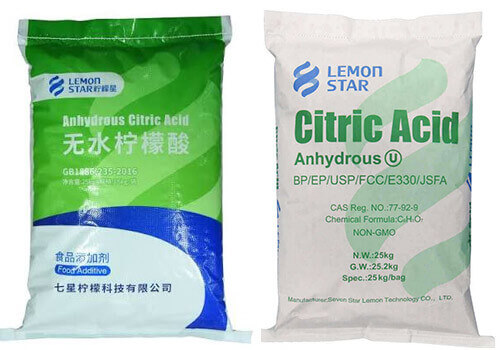
The conversations about citric acid often circle around packaging and pricing, but that misses what matters. Manufacturers like us live inside the world of process controls and source integrity. The market uses heaps of Seven Star Lemon Citric Acid Anhydrous. Its predictability, sharp acidity, and persistent solubility keep many production lines running smoothly in food, beverage, and cleaning plants. For us, every batch means walking the walk through fermentation, purification, and drying, not just moving sacks around the globe.When a customer unseals a bag, they trust every granule matches what the last shipment delivered. No short-cutting, no gray-market blending. No wild swings in physical properties that slow a tank line or leave residue that pulls engineers back for troubleshooting. Citric acid has never been a commodity where surprises go unnoticed. Our lab staff samples every run, again and again, not just to see a number on a spec sheet, but to head off any slip in color, taste, or clarity. An off-batch draws attention from the processing manager, who runs real solutions, not only paperwork. A production hiccup at our site upsets a factory halfway across the world. We track each input – whether it came from corn or cassava – and we keep contamination off the table by working directly with raw material growers.Questions about “Seven Star Lemon” often come down to consistency and history. The world’s producers have seen plenty of influx from new plants in the last decade, yet old frustrations with off-taste or yet-unexplained solubility problems still show up where the manufacturer stretches production speed or takes raw sugar from questionable sources. Not all crystal shapes behave alike on the line. It takes experience running the reactors, watching the behavior on the centrifuge, and understanding which filtration step pulls out hidden byproducts. This isn’t just paperwork for auditors — it’s how to get the right acidic bite for soft drinks or the clean rinseout required for industrial detergents.Food safety doesn’t wait for theoretical discussion. We hold every tank against standards set not in a distant office, but through years of managing machinery and people. Our staff walks the plant floor for daily checks, not just random audits. Western brands ask for more information, often in response to consumer allergy concerns or food fraud scares. Sophisticated buyers probe our supply chain, asking for proof of origin on the glucose feed, and for third-party validation. We hand out those answers, but only after we check for ourselves — our own staff tests for protein carryover and pesticide residue at each stage, not just at dock doors. When news breaks about contamination incidents, people call us for a simple reason: we remember what a missed step means for a downstream bakery or canning operation. The shift to more transparent and rigorous quality controls across the global industry raises the bar for everyone. This is good. It means less chance for substitute materials or recycled packaging to sneak past. When a brand tries to push price too far, it forgets the real risks — machinery shutdowns, recalls, even health hazards caused by unknown impurities. Reliable citric acid protects jobs. Production lines keep moving, flavor profiles stay sharp, and risks stay managed. This is not something that can be replaced by an untested shortcut or flashy marketing.The topic of supply stability now dominates industry conversation. Ports close. Inland trucks stop. Shipping windows collapse in the face of new regulation or unrest. Our response sits in process control and partnership; we keep robust inventories, rehearse logistics breakdowns, and work with logistics partners who know our materials, not just treat them as generic. Factories depend on us to deliver on time, not make excuses when supply lines fray. Every past disruption leaves us with new protocols, from batch-size adjustments to short-term warehousing. Delays in citric acid halt entire beverage bottlers. Our job is to see those risk details before they erupt.There’s talk about “greener” processing, but the truth runs deeper than buzzwords. We run emissions audits. We capture and treat wastewater. We push process efficiency because waste costs money, not just headlines. Down the road, energy and resource consumption must come down, so we keep investing in enzyme efficiency and waste valorization. But change comes slowly in an industry rooted in process reliability. If citric acid production burns less fuel or sheds less carbon, the work happens batch by batch in the factory, not just in investor pitch decks.The future of our sector presses for traceability, safety, and openness. Large food and drink manufacturers look deeper than price sheets. They want to see every bit of data, every audit log, every employee training record. The growth in regulatory oversight isn’t a hassle – it’s necessary. No one can afford doubt about what lands in a consumer product. At our site, hard lessons learned in decades of work push us to improve, to clean up legacy processes, to land each bag, drum, or truck exactly as promised. Seven Star Lemon Citric Acid Anhydrous keeps production safe, but only with labor and vigilance. We owe that to our partners down the line and every consumer who takes a drink or tastes a cake.

June 15, 2026

Seven Star Lemon Technology Co., Ltd.

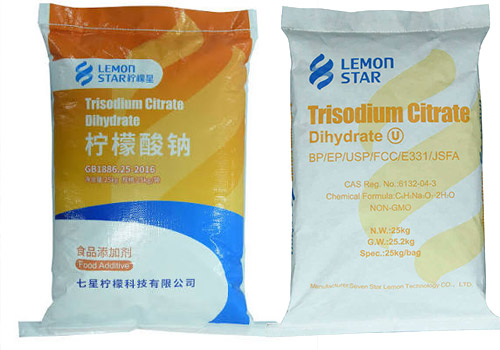
Seven Star Lemon Sodium Citrate

Year after year, we run hundreds of tons of sodium citrate through our lines, but attention never used to reach it the way “Seven Star Lemon Sodium Citrate” recently did. Production teams like ours spend late nights dialing in purity and texture batch by batch because low-grade sodium citrate turns drinks cloudy, solutions unstable, and flavors harsh. Most people opening bottles in restaurants or adding powder to soft drinks hardly think about the effort upstream. In our grinding rooms, controlling every variable—dryness, granule size, absence of off-flavors—matters a lot more than most realize. Every chemical whiff, temperature blip, or hint of oiliness means going back to the test lab, not out to market. Years in this industry taught us that the stuff you let slide when demand is high becomes the stuff that bites you later: failed customer audits, recalls, bad press. The “Seven Star” reputation winds up in our hands every single shift, so we chase quality because we know what happens without it.Many headline stories focus on rising usage of sodium citrate in drinks, confections, jams, and even pharmaceutical blends, but factory workers see something deeper—the chain of hands passing this compound from raw material to tanker truck, from mixing line to storage bin. As a manufacturer, we inspect every incoming barrel of citric acid and sodium carbonate, because any deviation in those ingredients—a moisture-rich shipment, a batch with residue from the previous run—brings the whole downstream process into question. I’ve seen what happens if you try to save a few cents on raw material or skip a moisture check: cakes of hard, unusable product, lumpy crystals clogging rotary feeders, and QA reports stacked high on the supervisor’s desk. Clean, reliable inputs aren’t just about following an SOP; they’re a promise we uphold for the beverage makers aiming for clear lemonade or the pharma mixers whose accuracy must stay within micrograms. Many end users still think “food grade” or “pharma grade” are labels that just appear, but in our facility every certificate of analysis comes at a cost of vigilance and, sometimes, a lost Saturday testing suspicious lots or doing an unexpected filter change. Demand for “Seven Star Lemon Sodium Citrate” rides the crest of consumer trends—less sugar in beverages, more functional foods, natural-label claims. Down on the production floor, we adapt by reducing dust formation and retooling our granulators for finer control of particle size since cloudiness and sediment problems trace right back to our operations. Our materials team began evaluating new food-grade lubricants and anti-caking methods, digging through supplier transparency reports late into the night. We switched suppliers after a series of failed traces linked an off-flavor to a particular batch of raw citric acid. As allergen-free claims grew louder in the export markets, we ramped up batch segregation, requiring full washdowns of all contact surfaces between runs for sensitive customers. Food safety certifications like FSSC 22000 prove difficult—one missed temp log or unlabeled drum can derail progress—but their value is clear after seeing a crisis averted due to our extra measures. Modern demand means less tolerance for cloudy lemonade, acrid aftertastes, or metallic residues. We cannot afford short cuts; every minute saved in production can cost weeks in reputational harm.The surge in product demand brings pride but also exposes weaker links. Retaining skilled technicians who can spot tiny abnormalities by sight or smell makes a stronger difference than most outside this trade realize. Years working alongside colleagues who have razor instincts for contamination or reaction failures built our factory into what it is. We invest in these workers instead of relying solely on automation because, when lines run around the clock, alarms alone won’t save a contaminated batch. Our company’s roots run deep with repair staff who salvage critical batches with quick valve changes or who remember a QC outlier from fifteen years ago that sounds eerily similar to a current problem. Real expertise beats theory when troubleshooting stubborn reaction vessels, so we build both our SOPs and shift teams around this hard-won knowledge. Seven Star Lemon Sodium Citrate doesn’t reach customers through luck or marketing promises. We pour knowledge, sweat, and years of incremental improvements into every lot. My team upgrades techniques after every major incident or customer complaint—the same way we changed our filtration processes, refined our input moisture specs, or overhauled our waste-reduction protocols. We maintain traceable records, keep redundant checks on our in-process controls, and foster on-the-job training layered with mentorship from legacy operators. Everyone on the line, from packaging to blending, knows where slip-ups matter and why every shortcut is an invitation to disaster. As demand grows and headlines focus on our work, those closest to manufacturing continue bearing both the pressure and the pride, because every decision—big or small—ripples down to the real world, where a single failed batch ruins more than a supplier’s rating: it erodes trust we spent decades building.

June 15, 2026